IPIKU: Building a Pacific Partnership
to enable an existing working group of Micronesian scholars to
catalyze and elevate community-based indigenous dialogue,
leadership, and scholarship around the dynamics of several
global phenomena.
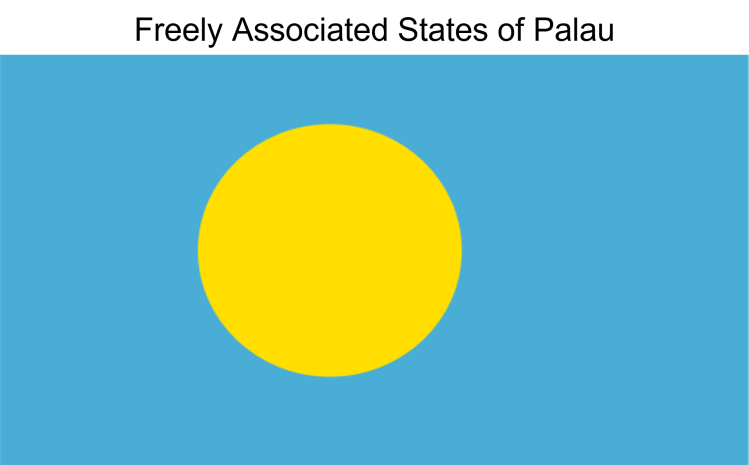
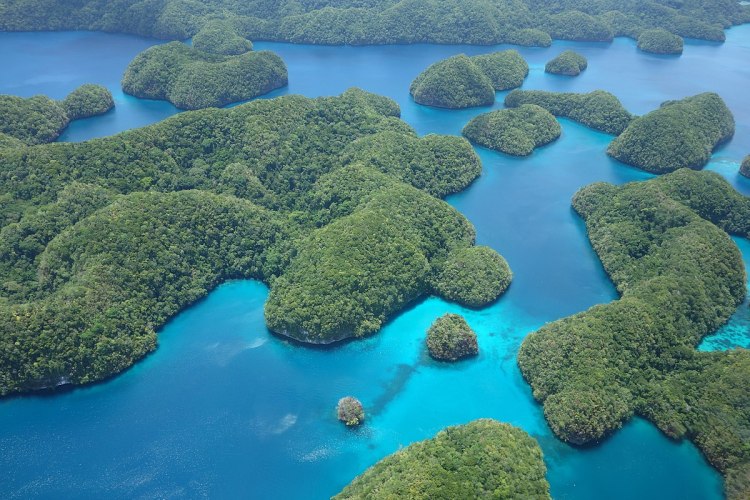
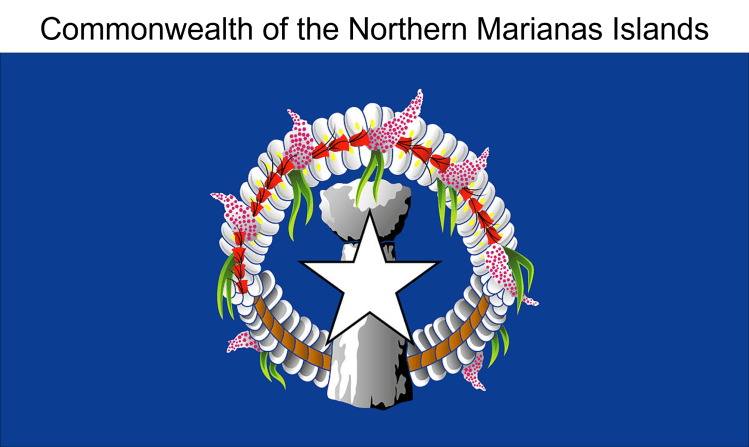
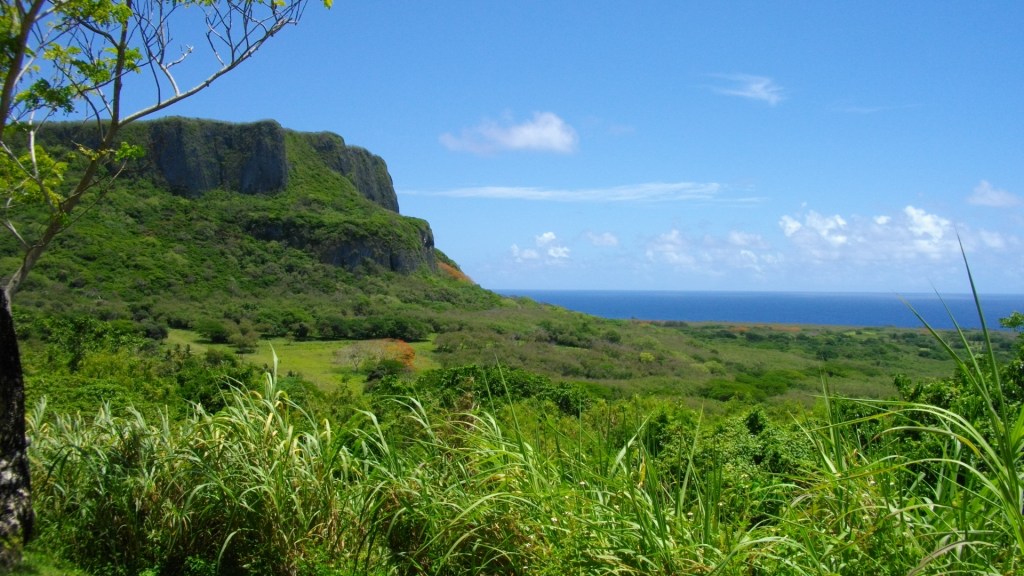
Island nations of Micronesia provide a unique learning opportunity to evaluate the complex task of sustainable development in the global arena. On small islands, the connections between social, economic, and environmental impacts are more easily traced and the processes more readily tracked. Historically, the uniqueness of Micronesian islands has shaped cultural practices spawning countless sustainable adaptations and resilient designs over millennia. Today, Micronesia is in the midst of multiple intersecting global phenomena (rising sea levels, intensification of extreme wet weather events, rise of non-communicable diseases, geopolitical competition between US and China, biodiversity loss, resource depletion, pollution, scientific exploitation) that pose an existential threat to the island nations themselves.
Representing a significant portion of the “Blue Continent”, and serving as a microcosm for other countries, it is imperative to understand how these global dynamics play out, not only for Small Island Developing States but for all countries as they attempt to manage both the tradeoffs and synergies embedded in the United Nations Sustainable Development Goals as part of the 2030 Agenda.
Given the recent vote by the leaders of Micronesian states to withdraw from the main Pacific intergovernmental body (the Pacific Islands forum), the need of having a scholarly platform (workshops and conference) created by local and indigenous stakeholders to engage global scholars and leaders about topics such as Health, Resilience, Security and Environmental loss is urgent and significant.
As a result, this organization has organically evolved for the following:
Purpose and Mission We value traditional knowledge and wisdom and focus on People connected by accountable, genuine, and durable partnerships where human rights, gender equality, environmental sustainability, and economic justice are the core of all sustainable development pursuits. The purpose of the corporation is to serve the communities of the Pacific countries and territories, its citizens and residents and:
- To preserve and perpetuate our Indigenous languages, cultures, traditions and knowledge in the Pacific;
- To protect and advocate for the protection of indigenous culture, traditions and practices and proprietary knowledge;
- To create a centralized virtual repository of Micronesian knowledge and traditions to serve as a bridge that will connect researchers and communities across the Pacific; a repository that will include historical, current and ongoing research being done as well as to stimulate future research amongst our people in the region.
- To pool Pacific expertise (regional and national treasures) and bring together Pacific thinkers and reflective practitioners to continue to promote and raise Pacific consciousness;
- To instill a firm Pacific identity and address the implications of colonialism, development, and concern about the commercialization of our cultures and traditions;
- To promote the development of the Next Generation leadership through the involvement of young leaders in post conflict processes and conversations; training in the political agenda; structured nurturing, mentoring, twinning to be agents of change – succession planning; link youth with provincial leaders in order to shape and develop a cadre of critical thinkers and political consciousness;
- To work together to ensure the perpetuation of indigenous traditional healing and sharing of resources amongst members to protect and preserve indigenous practices;
- To serve as a clearinghouse of research, publications, data, and information to support indigenous researchers;
- To develop networking relationships with other regional, national and international groups for the purposes of preservation, conservation and promotion of traditional practices and application for sustainability; and,
- To establish a coalition, network of partners and stakeholders to take collective action and respond to priority regional and global concerns for the well-being and welfare of our people, our islands, our countries and our Blue Continent of the Pacific.
 IPIKU
IPIKU 